

Footpaths are designed for pedestrian safety, yet many remain dim or uncomfortable to use even when the nearby streetlights are functioning properly. This is a common urban problem. Pedestrians often avoid certain footpaths at night because they feel unsafe, cannot ...
Discy Latest Articles
Parking Spaces that Influence the entire Traffic Flow

Parking spaces may seem like static elements of a building or site layout, but they play a major role in shaping how traffic moves, slows, queues, or congests. A single poorly placed parking bay can disrupt flow through an entire ...
Why Potholes Reappear at the Same Spots?

Potholes are one of the most common and frustrating problems on roads. Even after repairs, many potholes seem to reappear at the same locations, sometimes within a single rainy season. To the public, this is poor workmanship or low-quality materials. ...
Hydrophobic Roads: The Self-Draining Future of Infrastructure
Imagine roads that never flood, surfaces that shed rain like lotus leaves, and highways that heal themselves from damage. Welcome to the era of hydrophobic roads — a game-changing breakthrough in how we build for the future. As extreme weather ...
Drones in Construction: The Future of Site Surveying
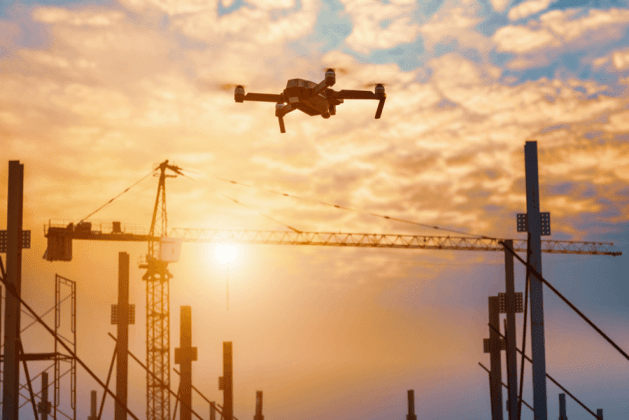
Drones in construction are advanced unmanned aerial vehicles equipped with cameras and sensors that revolutionize how construction sites are surveyed and monitored. These devices enable real-time data collection, precise measurements, and comprehensive site documentation while reducing time and labor costs ...
What is Intelligent Transportation System? Its Working and Advantages

Intelligent Transportation Systems (ITS) represent the fusion of sensing, analysis, control, and communication technologies within ground transportation systems, aimed at augmenting safety, mobility, and efficiency. This multifaceted approach encompasses various applications designed to process and disseminate information, thereby alleviating congestion, ...
The Road Printer: A Futuristic Approach To Highway Construction

The invention of the road printer has changed the way highway construction is done worldwide. A road printer is a revolutionary technology that has made it possible to build roads quickly, with high precision and cost-effectiveness. This futuristic approach to ...
Kinetic Roads: The Future Of Sustainable Transportation

Kinetic roads are a revolutionary new form of sustainable transportation, offering a cleaner and more efficient way of getting around while reducing our carbon footprint. Kinetic roads harness kinetic energy to power cars and other forms of transportation, allowing us ...