
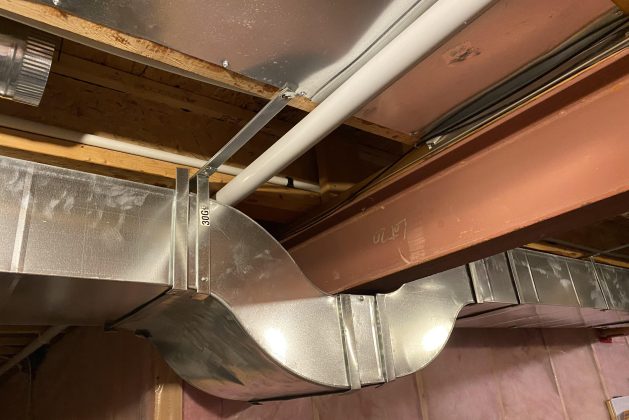
Duct routing looks simple on drawings, but once construction starts, it becomes one of the most challenging coordination tasks in a building project. Engineers design ducts for performance, efficiency, and airflow, while architects focus on space, aesthetic,s and functionality. When ...
Discy Latest Articles
AC Design That Fails in Monsoon Conditions

Air conditioning systems are usually designed around peak summer temperatures, sensible cooling loads, and steady indoor operation. However, in many regions, especially tropical and coastal climates, the real test for an AC system comes during the monsoon. Systems that perform ...
Why Does Light Flicker Without Electrical Faults?

Light flicker inside a building is usually associated with loose wiring, faulty switches, or poor electrical connections. But there are many situations in which lights flicker even when the electrical installation is perfectly safe and well-maintained. This type of flicker ...
Voltage Fluctuations Inside Buildings

Voltage fluctuations inside buildings are a common but often misunderstood problem. Lights flicker, appliances behave erratically, electronic devices reset unexpectedly, and motors sound strained. These symptoms usually appear intermittently, making the issue difficult to trace. Many occupants assume the problem ...
Seasonal Building Leakage That Appears and Disappears

One of the most confusing building defects for owners and engineers alike is leakage that appears during certain seasons and then completely disappears. A damp patch visible during the monsoon may vanish in summer. Water stains seen in winter may ...
Building Defects That Appear Only After Occupancy

Many buildings appear flawless at handover. Finishes are clean, services appear functional, and all approvals are in place. Yet, once occupants move in and daily use begins, defects start to appear. Cracks show up, leaks develop, odors spread, noise becomes ...
Pipe Noise Inside Walls at Night

Many homeowners notice that plumbing noise becomes more prominent at night. Sounds such as knocking, ticking, banging, humming, or rushing water often seem louder when the building is quiet. While these noises can be annoying, they are not random. Pipe ...
Door Positions That Control Air Circulation
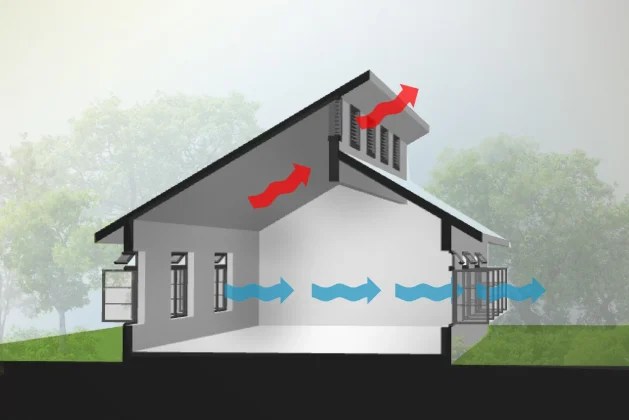
Air circulation in buildings is rarely controlled solely by windows. Doors play a critical and often underestimated role in determining how air moves from one room to another. Their position, clearance, orientation, and usage pattern can either support healthy ventilation ...