

Bioluminescent infrastructure is revolutionizing urban lighting by harnessing nature’s own light-producing mechanisms. By integrating biological luminescence into roads, bridges, and pathways, cities can create self-illuminating surfaces that require no electricity. This groundbreaking technology merges synthetic biology, material science, and civil ...
Discy Latest Articles
Holographic Building Projections: Designing the Future in Real Time

Holographic building projections are transforming the construction industry by merging virtual design with real-world environments. This advanced visualization technology allows architects, clients, and engineers to walk through full-scale, 3D models of proposed buildings—right on the actual construction site. As projects ...
Graphene Superstructures: Reimagining the Future of Construction

Graphene superstructures represent a breakthrough in construction engineering, using the world’s strongest known material to create ultra-durable, lightweight buildings. Composed of atom-thin sheets of carbon bonded in a hexagonal pattern, graphene is over 200 times stronger than steel while weighing ...
Aerial 3D Printing: How Hovering Robots Are Building Skyscrapers

Aerial 3D printing is transforming construction by using autonomous drones to build structures without scaffolding or ground-based equipment. This breakthrough combines precision flight control, advanced printing technology, and specialized materials to enable faster, more efficient construction. As urban spaces become ...
Solar Paint: Transforming Surfaces into Energy Generators

Solar paint represents a groundbreaking advancement in renewable energy technology, turning ordinary surfaces into electricity-generating assets through specialized photovoltaic coatings. This innovative material leverages nanotechnology, advanced chemistry, and solar science to harvest energy from sunlight without the need for traditional ...
Kinetic Structures: The Future of Adaptive Architecture
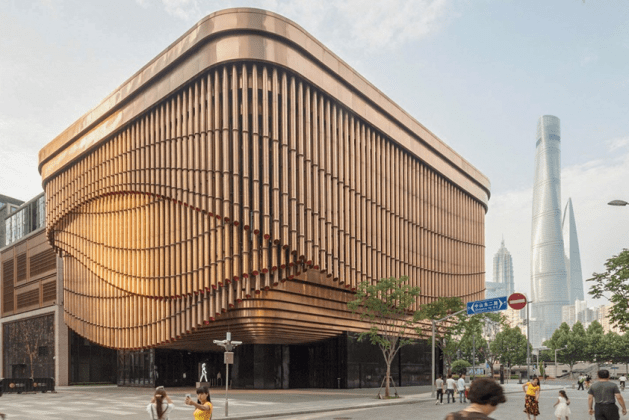
Kinetic structures represent a groundbreaking shift in architecture and engineering, creating buildings that physically transform in response to environmental conditions, functional needs, and aesthetic goals. These dynamic structures incorporate movable components, advanced mechanical systems, and intelligent controls to achieve an ...
Climate-Adaptive Design: The Future of Resilient Architecture
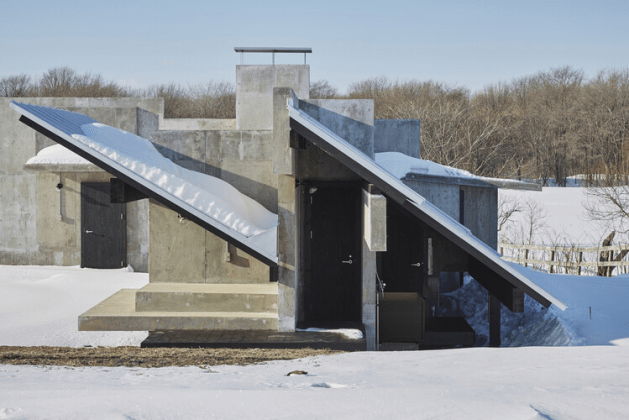
Climate-adaptive design is a revolutionary approach to architecture and engineering, creating structures that actively respond to weather extremes rather than merely withstanding them. These innovative buildings incorporate dynamic elements, advanced materials, and predictive systems to adjust their form and function ...
Micro-Housing: A Revolutionary Approach to Urban Living

Micro-housing is a revolutionary approach to urban living, designed to maximize functionality within minimal square footage. These innovative dwellings combine ingenious design, transformable elements, and cutting-edge technology to create comfortable homes in footprints as small as 150-400 square feet. As ...