
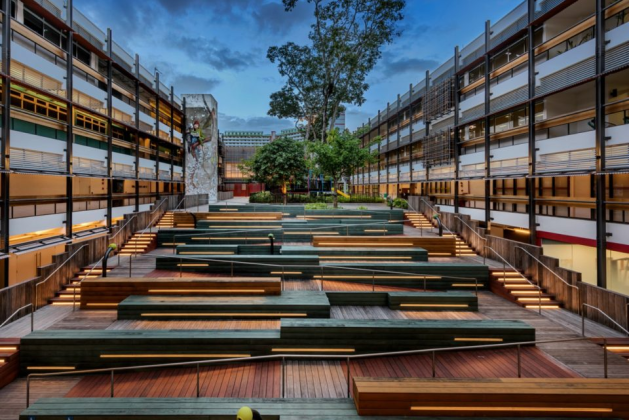
Building accessible cities represents a fundamental shift in urban design, where infrastructure and architecture prioritize inclusivity for people of all abilities. This approach goes beyond basic compliance to create environments that are inherently accessible, dignified, and welcoming for everyone. As ...
Discy Latest Articles
Extreme Engineering: Building in Earthquake Zones and Volatile Climates

Extreme engineering in earthquake zones and volatile climates represents the pinnacle of structural innovation, where buildings must withstand both seismic forces and extreme weather conditions. These construction projects combine cutting-edge technology with advanced materials science to create structures that not ...
Building Underwater: The Challenges of Sub-Sea Construction Projects
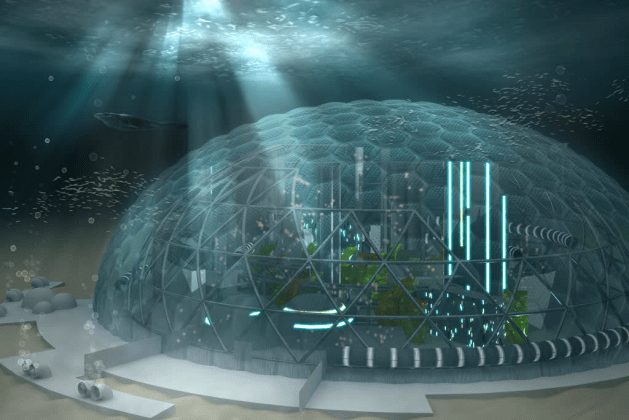
Underwater construction represents one of the most challenging frontiers in engineering, combining extreme environmental conditions with complex technical requirements. These projects—ranging from subsea tunnels to underwater hotels—demand innovative solutions for working in environments where human capabilities are severely limited. As ...
Smart Glass: The Revolutionary Window Technology Transforming Buildings

Smart glass is an advanced building material that changes its properties in response to environmental conditions or user control. This innovative technology automatically adjusts its tint to manage solar heat gain and glare while maintaining optimal natural light levels throughout ...
Basic Concepts of Stability of Structure

What is stability of concrete structures? Stability of concrete structures is a crucial concept in structural engineering and has been defined in various ways by different authors and researchers. Generally, it refers to the ability of a structure to recover ...
16 Types of Pipelines and their Construction Method

A pipeline represents a complex network of pipes meticulously designed to transport fluids such as oil, natural gas, or other petroleum-based products over extensive distances, primarily underground. This vital infrastructure, which traces its roots back millennia to the movement of ...
Factors Influencing Earthquake Resistant Design of Structures

Structures are commonly subjected to both static and dynamic loads, with the former being constant over time and the latter varying with time. While the majority of civil engineering structures are designed assuming static loads, neglecting the effects of dynamic ...
Analysis of Moment Resisting Frame and Lateral Load Distribution

Lateral Load Distribution of Frame Building In a two-dimensional moment-resisting frame, each joint typically has a maximum of three degrees of freedom: displacement in horizontal and vertical directions, and rotation. The total number of degrees of freedom is calculated as ...