
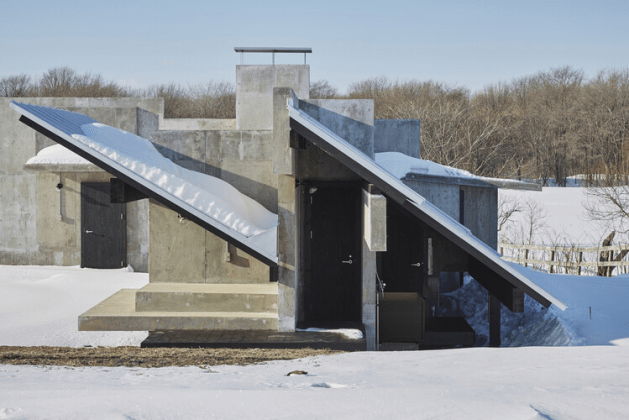
Climate-adaptive design is a revolutionary approach to architecture and engineering, creating structures that actively respond to weather extremes rather than merely withstanding them. These innovative buildings incorporate dynamic elements, advanced materials, and predictive systems to adjust their form and function ...
Discy Latest Articles
Building Accessible Cities: Designing for Inclusivity
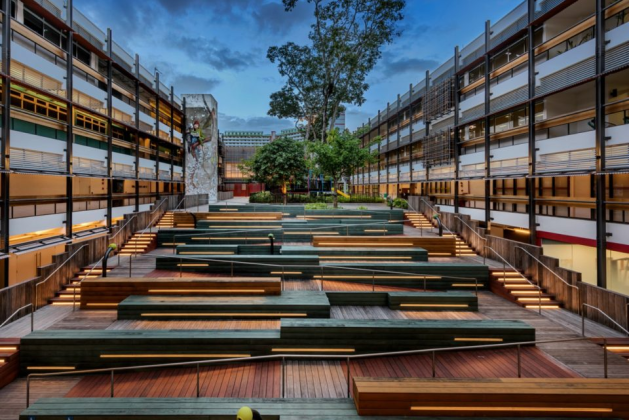
Building accessible cities represents a fundamental shift in urban design, where infrastructure and architecture prioritize inclusivity for people of all abilities. This approach goes beyond basic compliance to create environments that are inherently accessible, dignified, and welcoming for everyone. As ...
Extreme Engineering: Building in Earthquake Zones and Volatile Climates

Extreme engineering in earthquake zones and volatile climates represents the pinnacle of structural innovation, where buildings must withstand both seismic forces and extreme weather conditions. These construction projects combine cutting-edge technology with advanced materials science to create structures that not ...
Building Underwater: The Challenges of Sub-Sea Construction Projects
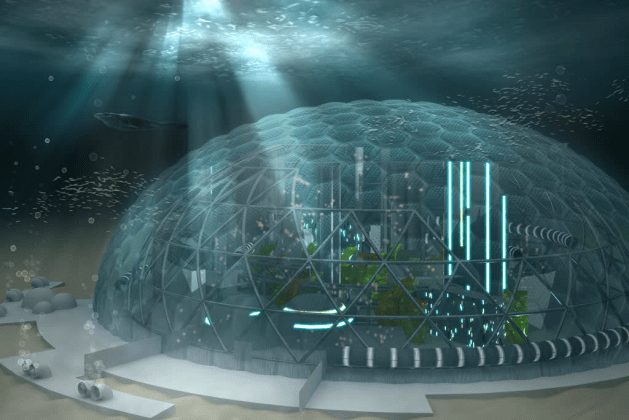
Underwater construction represents one of the most challenging frontiers in engineering, combining extreme environmental conditions with complex technical requirements. These projects—ranging from subsea tunnels to underwater hotels—demand innovative solutions for working in environments where human capabilities are severely limited. As ...
16 Types of Pipelines and their Construction Method

A pipeline represents a complex network of pipes meticulously designed to transport fluids such as oil, natural gas, or other petroleum-based products over extensive distances, primarily underground. This vital infrastructure, which traces its roots back millennia to the movement of ...
Factors Influencing Earthquake Resistant Design of Structures

Structures are commonly subjected to both static and dynamic loads, with the former being constant over time and the latter varying with time. While the majority of civil engineering structures are designed assuming static loads, neglecting the effects of dynamic ...
Limit State, Working Stress and Ultimate Load Method of Structural Design

This was the traditional method of design not only for reinforced concrete, but also for structural steel and timber design. The method basically assumes that the structural material behaves as a linear elastic manner, and that adequate safety can be ...
Guidelines for Earthquake Resistant Design of Structures

An earthquake is the vibration of the Earth’s surface caused by waves emanating from a disturbance in the Earth’s crust, resulting in the release of energy. It manifests as a sudden and transient motion or series of motions of the ...