

In civil and structural engineering, the word “safe” is often used as the ultimate benchmark of good design. If a structure does not collapse under design loads and meets code requirements, it is considered safe. However, many engineers learn through ...
Discy Latest Articles
Structural Glass Skeletons: Redefining Transparency and Strength in Architecture

Structural glass skeletons represent a groundbreaking advancement in architectural engineering, transforming glass from a purely aesthetic feature into a primary load-bearing material. These systems leverage high-strength laminated, tempered, and chemically strengthened glass to support structural loads—making glass beams, columns, and ...
Metal Foam Armor: Lightweight Defense for a Heavier World

As cities face growing risks from vehicle-borne threats, blasts, and seismic shocks, one thing is clear: the future of urban protection won’t look like thick concrete walls or unsightly barriers. Enter metal foam armor—a new class of material that looks ...
Acoustic Metals: The Sound-Shaping Steel of Tomorrow

Acoustic metals are redefining how we design our cities—turning buildings and public spaces into active sound filters that can cut noise pollution without sacrificing aesthetics or structural integrity. Instead of relying on foam panels or fragile baffles, this innovation uses ...
Magnetized Steel Skins: The Buildings That Move, Breathe, and Think

Imagine a building that reshapes itself in real time—its skin pulsing with light, opening to let in a breeze, or sealing tight against heat, all without a single moving part in the traditional sense. Welcome to the world of magnetized ...
The Rise of Revolutionary Construction Materials

Construction materials have undergone a revolutionary evolution since 2000, introducing solutions that combine sustainability, efficiency, and high-performance engineering. These innovations are transforming the construction industry, enabling buildings that are more resilient, ecological, and adaptable to contemporary challenges. As demand for ...
Climate-Adaptive Design: The Future of Resilient Architecture
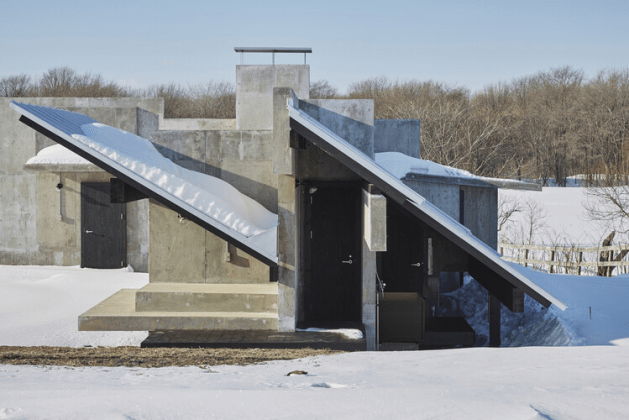
Climate-adaptive design is a revolutionary approach to architecture and engineering, creating structures that actively respond to weather extremes rather than merely withstanding them. These innovative buildings incorporate dynamic elements, advanced materials, and predictive systems to adjust their form and function ...
The Construction Gig Economy: Reshaping the Industry

The gig economy is rapidly transforming the construction industry, introducing a flexible workforce model where skilled tradespeople and laborers connect directly with contractors and clients through digital platforms. This shift from traditional employment to project-based work is reshaping how construction ...